Construction

Site data reaches the office days late. We build the software that closes that gap — one record of the job, from the site to the invoice.

Job management software for builders, so the office knows what the site knows the same day, not a week later.

By the time a delay, a variation or a defect reaches the office, the cost is locked in and nobody can prove who agreed to what. We build the layer that captures it at the source:

  • Daily site records captured on a phone in under a minute
  • Variations logged with photos, time and who approved them
  • Subcontractor insurances and licences tracked before they expire
  • One live view of where every job is up to
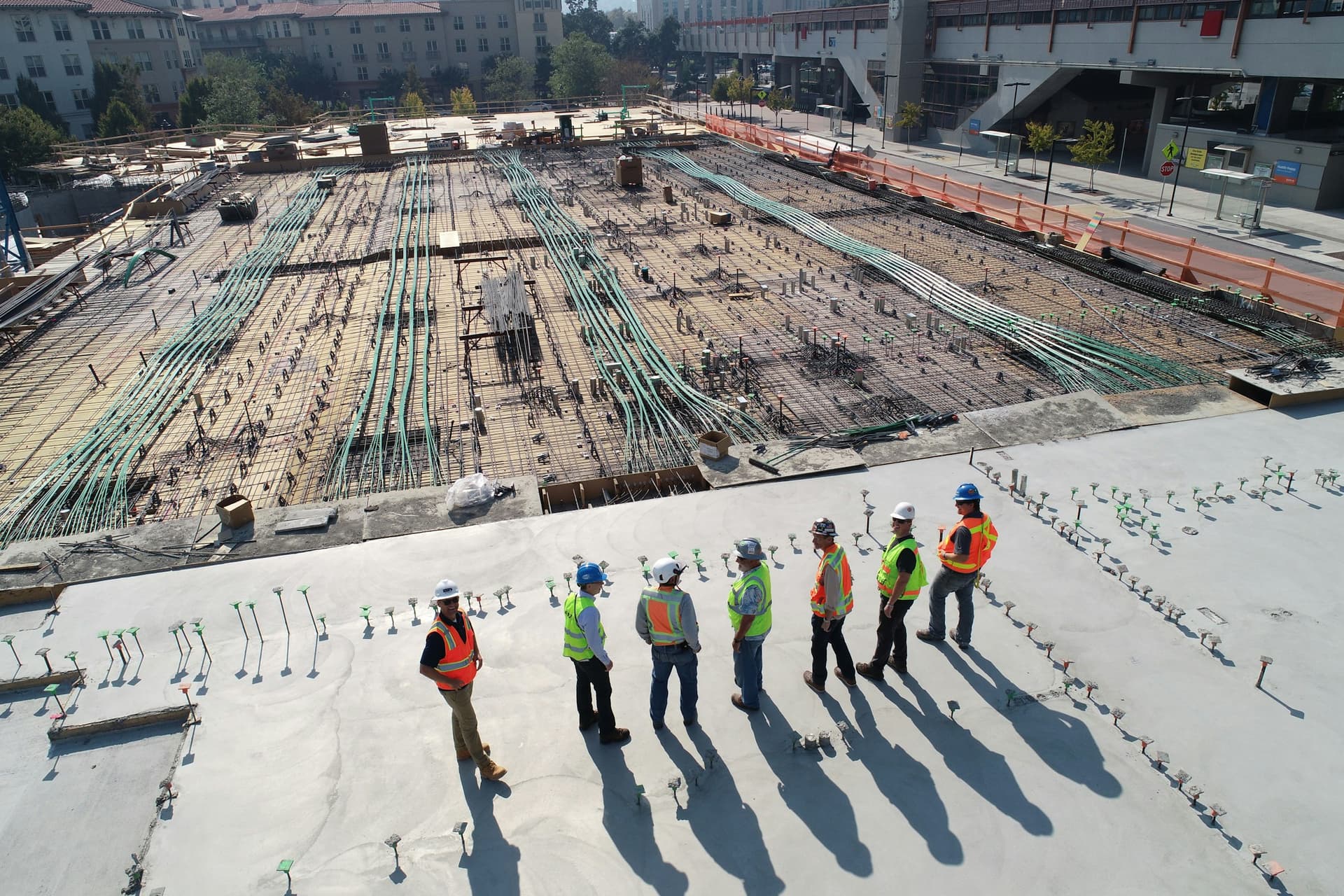
Built for how a site actually runs — gloves on, patchy signal, and no time to fill in a form twice.

You do not have time for software that assumes a desk and a good connection. We build to match how the work is done: quick capture on site, offline when the signal drops, and one record that fills itself in as the job moves. The office gets the numbers without chasing anyone for them.

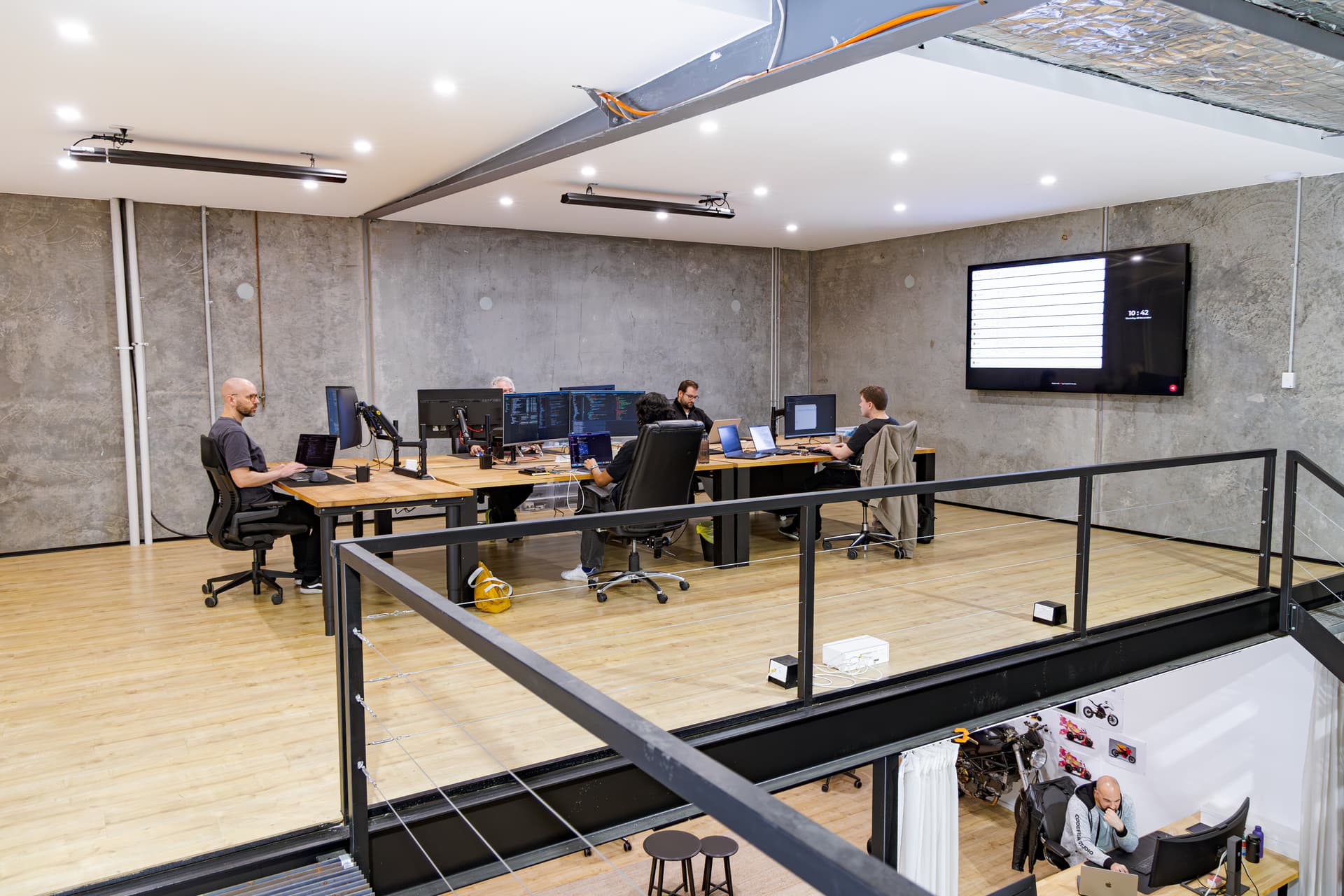
The CodeFish Studio workspace in Adelaide, developers working at desks on the studio floor

One record of the job, from the site to the invoice

Construction runs across subbies, suppliers, consultants, and a client who wants an answer today. Off-the-shelf tools cover a slice, so your team fills the gaps by hand. We build the layer that ties it together: site records, compliance, programme and cost in one set of numbers. A variation raised on site flows straight through to the claim. Less time chasing paperwork, more time building.

Weather, variations, and subbies who never quite line up — we build systems that take all three in their stride.

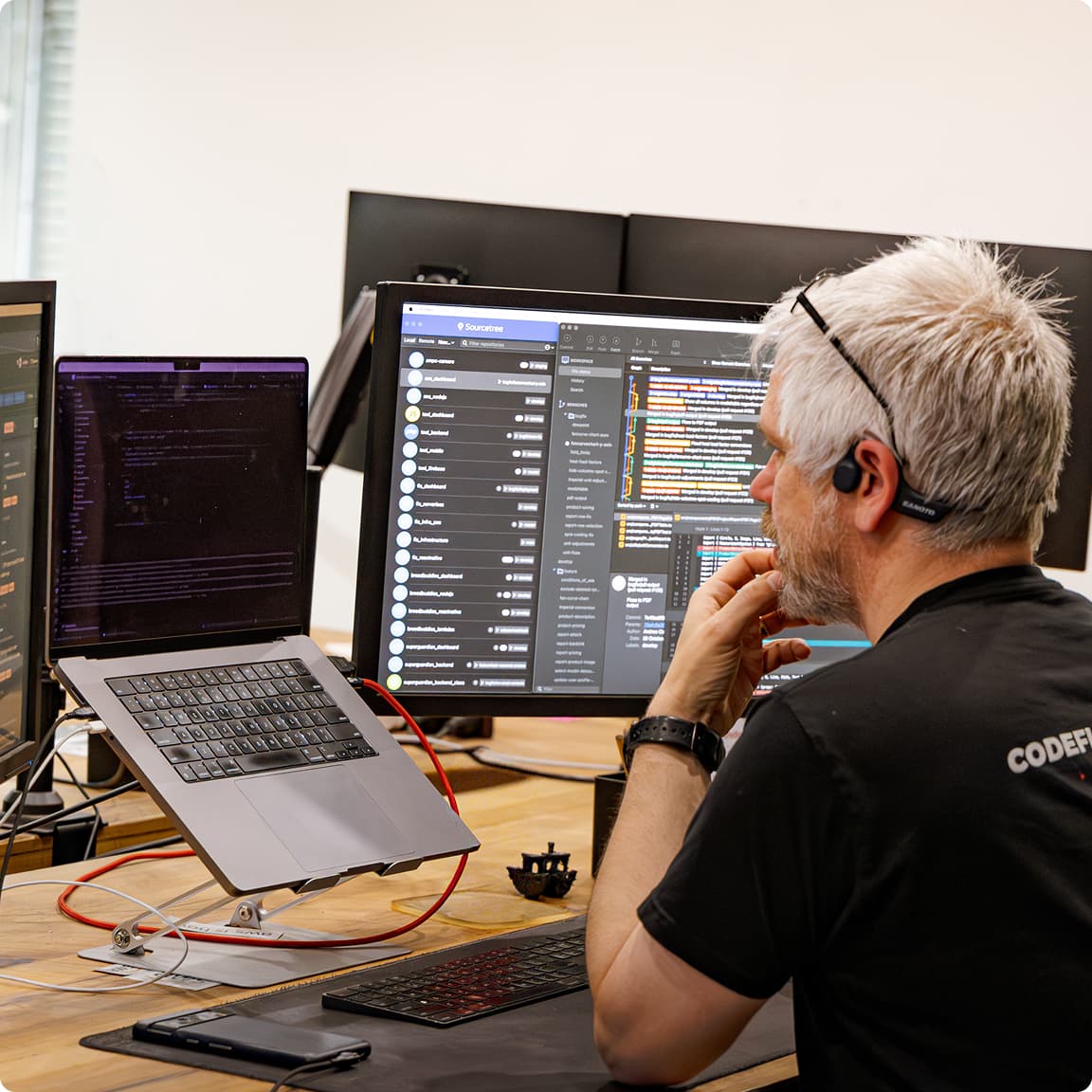
A CodeFish developer reviewing a project's commit history on screen

How we work with construction teams

We start on site, learning how the job actually runs. Then we find where the money leaks: records written up twice, variations never captured, or compliance gaps found during an audit. We work in short sprints alongside your team and test in real site conditions before anything ships.

  • A dedicated team, not a ticket queue
  • Integrations scoped and tested before the build
  • Support that carries on after handover

How construction teams work with us

Every one of them starts with a Rapid Insight Workshop: a paid session that maps your operation and hands back a prioritised roadmap. What you do next depends on what it finds.

Apex

We stay embedded and work through the roadmap with you month after month, closing the gap from the site through to the invoice. One monthly fee, measured against results we agree at the start. From $15K a month, six-month minimum term.

Amplify

One build, scoped in writing before anything starts, then quoted at a fixed price against that scope. A one-year warranty, and the code and the IP are yours. Typically $100K and up.

Ignite

Put a site app in the hands of one crew and see what it changes. Fixed price, $25K to $50K, and working software in four to eight weeks — enough to test it with real users before you spend more.

Questions we get from construction teams

Usually you would not replace it. The platforms cover the middle of the job well and fall down at the edges — the approval your business runs on, the report the client demands in their format, the handover pack nobody can produce without a week of copy-paste. That edge is where the hours go, and it is cheaper to build than to change how you work to suit the tool. We build alongside what you already run rather than arguing with it.

With a Rapid Insight Workshop. It maps the operational picture from the site through to the claim: which systems you run, where records are being entered twice, what the friction costs you each month, and which fix returns the most. You get a prioritised roadmap back before committing to a build. From there you either test one idea first (Ignite), build one thing at a fixed price and own it outright (Amplify), or keep us on to work through the roadmap with you month after month (Apex). We will tell you honestly which one fits.

That is what we design for. Capture screens are built to be readable in sunlight, usable in gloves, and quick enough that someone will actually use them between tasks. Anything captured on site works offline and syncs when the phone finds signal, so a dead spot does not mean a lost record.

Yes, and this connective layer is often the whole job. We regularly integrate with Xero, MYOB, project management platforms and scheduling tools, so a variation raised on site flows through to the claim without being retyped. Integration scope is confirmed and tested before build begins, because that is where these projects usually go wrong.

They get captured once on site and carried through to the claim without being retyped. Today a variation often starts as a verbal instruction to the site supervisor, turns into a photo and a text, and reaches the contract administrator weeks later, if at all. We build a capture step on the phone the supervisor already carries: what changed, who approved it, photos and a rough cost. That record moves to the project manager for pricing and then into the progress claim, so nothing done on site goes unbilled. Procore or your job system stays where it is; the gap between site and invoice is what gets closed.

Yes, and it follows the security-of-payment rules you already work under. In South Australia that means the Building and Construction Industry Security of Payment Act: payment claims, payment schedules and the response deadlines that come with them. We build the register your contract administrator needs, so every claim received has its due date, its schedule and its status in one place, and retention amounts are tracked per subcontract until release at practical completion and the end of the defects period. Your accountant still pays from Xero or MYOB; the system just stops a deadline slipping past in someone's inbox.

You do. The code, the database and the documentation are yours, held in your own accounts, so leaving us does not mean losing your job history, variation records or claim registers. We build on common, well-supported technology that another developer can pick up, and the handover includes how it is deployed and where the data lives. Data that sits in Procore or your accounting system stays there under your existing licence. If you change builders, project managers or software partners, the records your directors and auditors rely on stay with the business.

Yes, and it goes into the architecture from the start rather than being added before an audit. That covers inductions, licences, insurances and safe work method statements, with expiry tracked and the evidence captured as the work happens. When someone asks for the record it is a query, not a week of paperwork.

Yes. We work in stages rather than big-bang replacements. What you have now stays in place until the replacement is proven, changes run through testing, and we roll out job by job so the programme keeps moving and you keep control of spend and risk.

Yes. If you are not sure whether to build, extend or replace, we scope a proof of concept that answers the question first. It is a much cheaper way to find out that the platform you were counting on does not expose the data you need.

Ready to build something great?

Local partners, global standards – full service design and development.