
Everyone's got a word for it now. AI slop: generic, cookie cutter, soulless, plagiarising, and everyone agrees it's a problem the second they can tell AI made it. But what did we do before AI was mainstream? We've been producing the identical slop for years, and we didn't call it slop.
Same failure, different verdict
That's the part I struggle with when confronted with these conversations. It's not that AI slop isn't real, it obviously is. It learned from us; it's technology imitating life. It's that we're applying a standard to AI output that we've rarely applied to the same level for our own. An output from me that doesn't define the problem well enough is slop, whether it took me three weeks or three days. We only started calling it slop once it got faster to do.
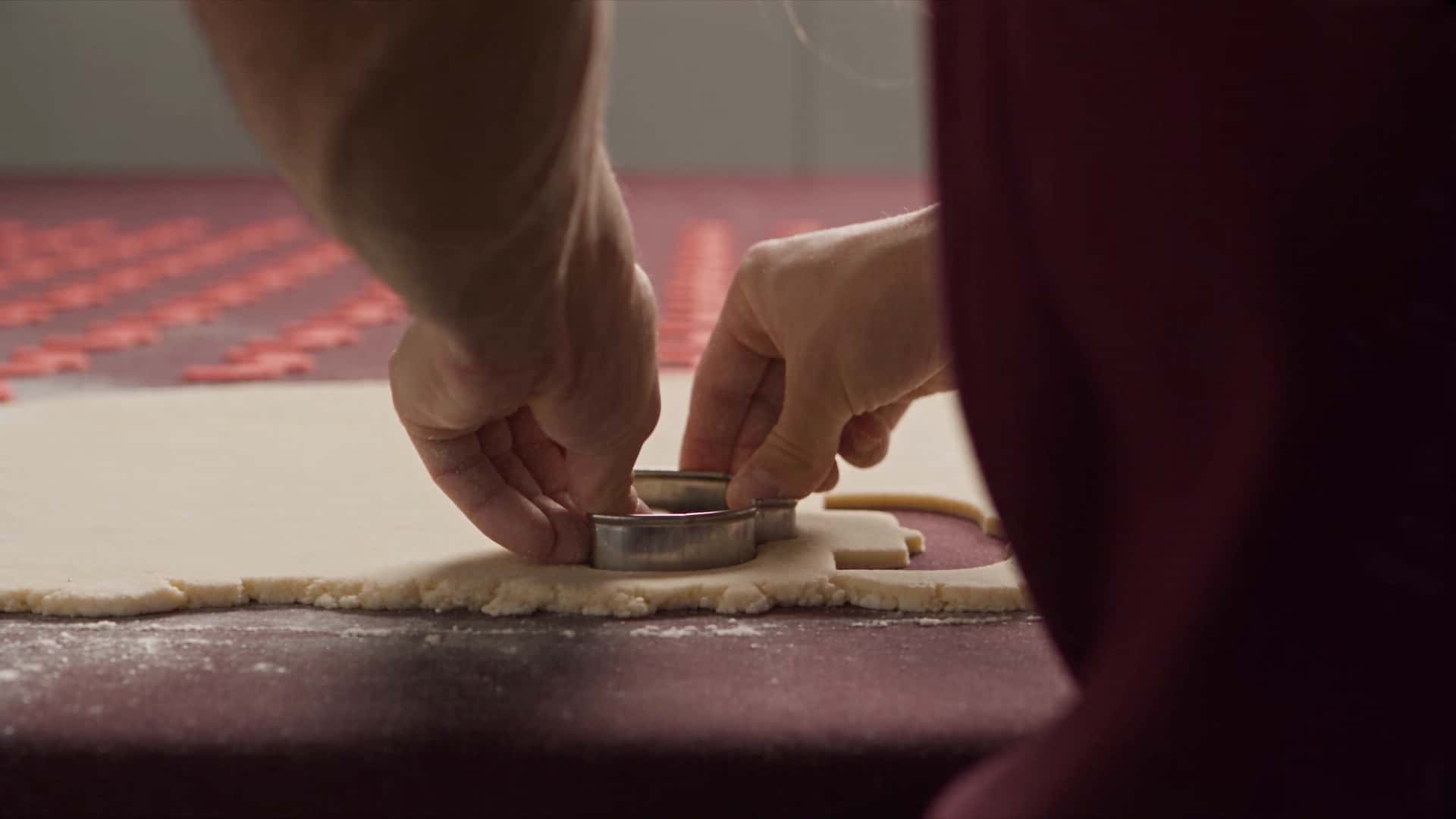
So the outrage isn't really about quality. If it were, we'd have been just as unforgiving of boilerplate, document templates, stencils, gingerbread cookie cutters, and 90-page reports that say a whole bunch of nothing. It's about who gets the benefit of the doubt. Humans get it by default, because being slow looks like we're taking care. AI gets none, because fast looks like corner-cutting, even when the actual output, or the actual absence of one, is identical either way.

What that bias costs
This bias means we have been rating our own work, and our teams' work, on "effort" rather than "substance" for a long time, and only noticed once something faster came along to make the comparison unavoidable. If the standard is genuinely "does it add value", it has to apply to the slow human version too.
There are nuances on this topic I am omitting, but I don't think the fix is going easier on AI output. It's about going just as hard on the human version we've been tolerating for years. Same question, every time, regardless of who or what produced the document: what problem was this actually solving? If you can't answer that, it's slop. In the business context, it just comes back to fundamentals. The value of what you're offering is only as high as what the market is willing to pay for it.
I'm certainly not going to pay more for my Amazon Prime delivery because they decided to walk my parcel to me.